
Humanity's Oldest Home in Anatolia
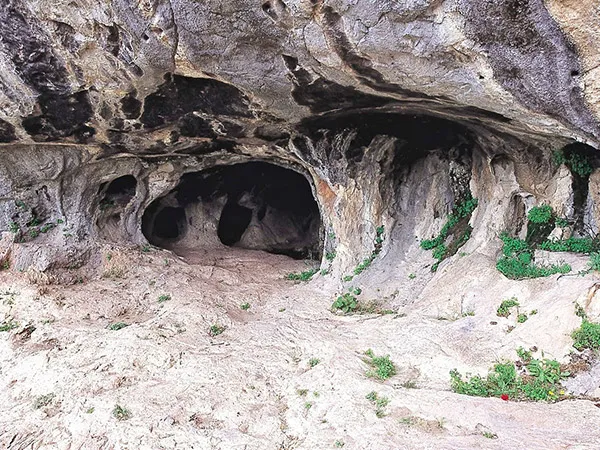
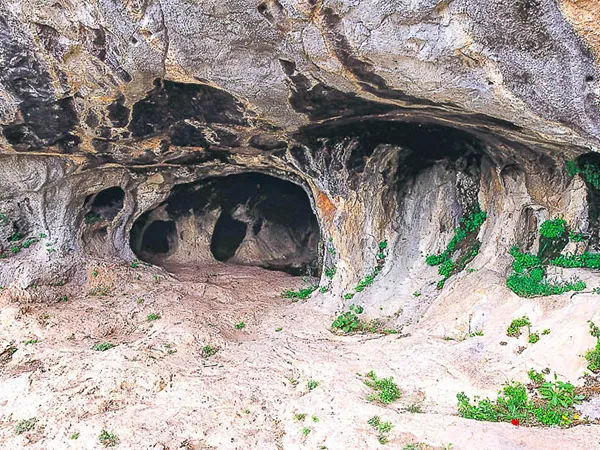
Thirty kilometres northwest of Antalya, on a limestone slope of Katran Mountain facing the Mediterranean, between 430 and 450 metres above sea level, a cave opens in the rock. When you step inside, the ground beneath your feet carries 500,000 years of human presence. Karain Cave is the oldest and largest cave in Turkey in which human habitation has been documented — and the only prehistoric site in the country that proves Neanderthals once lived here.
The cave was declared a first-degree archaeological and natural protected site in 1997 and has been inscribed on the UNESCO World Heritage Tentative List.
500,000 Years Without Interruption
Most known Palaeolithic caves in the world represent only a single prehistoric period. Karain is among the rare exceptions: it contains an unbroken sequence of occupation across the Lower, Middle, and Upper Palaeolithic periods. This makes it not only a central reference point for Anatolian archaeology but also a critical source of evidence for understanding the migration routes and connections between Europe and the Near East.
Systematic excavations begun in 1946 and continuing to the present day have produced remarkable finds: Neanderthal teeth and skull fragments; bones of rhinoceros, elephant, and hippopotamus — animals no longer found in Anatolia; stone and bone tools; and decorative objects and beads that represent the earliest known examples of art in Anatolia. Among the most significant finds is a notched bone tool dated to the Lower Palaeolithic period, between 500,000 and 600,000 years old, measuring 14.2 centimetres long and weighing 209 grams — the oldest bone tool known from this cave and one of the oldest from anywhere in the region.
A Temple in the Roman Period
Karain's story does not end with prehistory. During the Hellenistic and Roman periods, the cave was converted into a sacred space dedicated to a mountain goddess. Greek votive inscriptions and carved niches on the outer walls and entrance face of the cave date to this period. From hunter-gatherer camp to seasonal shelter, from sanctuary to archaeological site — Karain has been continuously reimagined across human history.
Inside the Cave
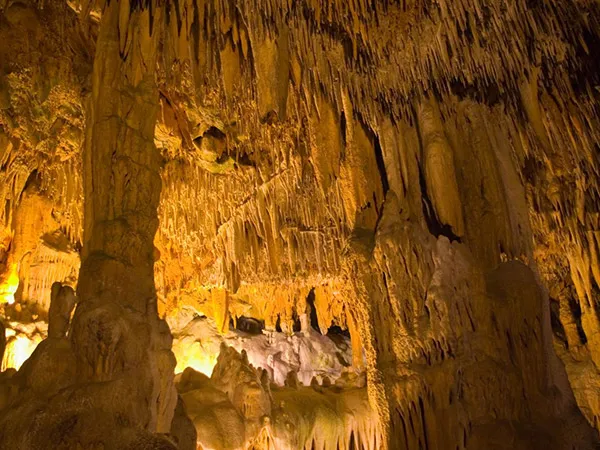
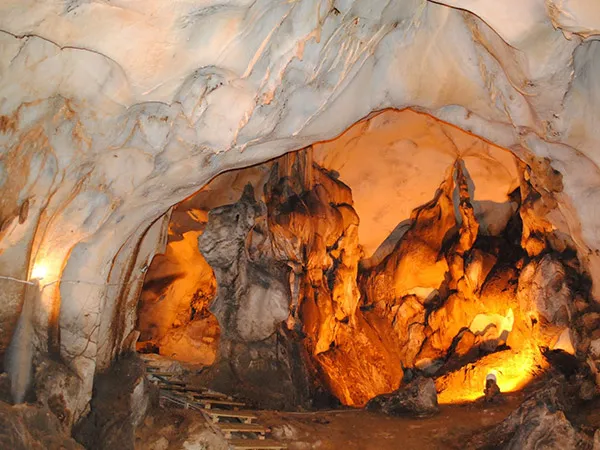
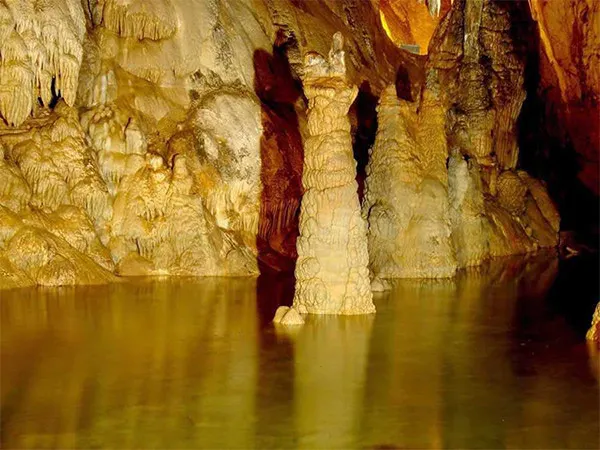
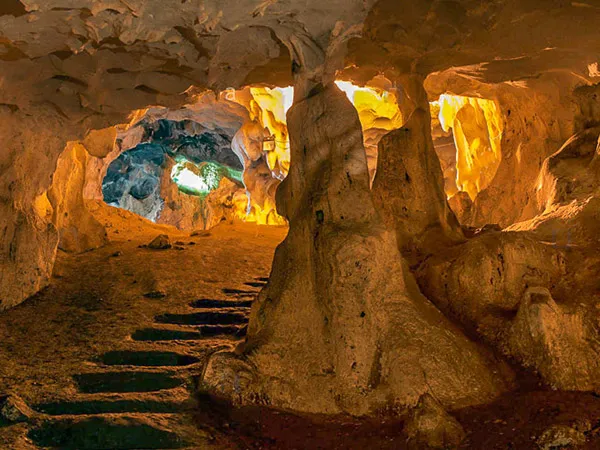
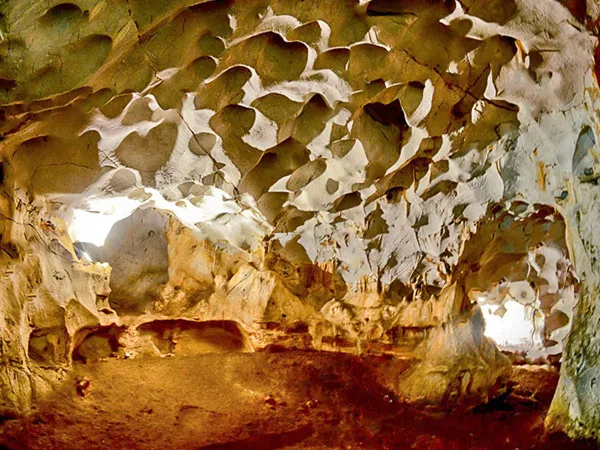
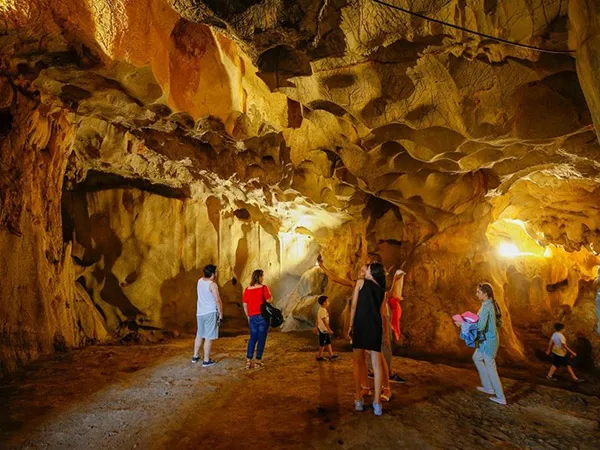
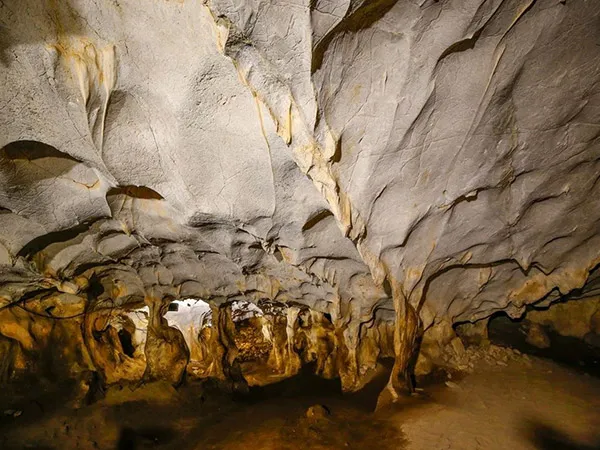
The cave consists of three large chambers separated by narrow passages. The walls are coated in calcite; stalactites and stalagmites complete the natural interior. Bats still live here — visitors occasionally spot them — and the cave remains an active ecosystem.
Reaching the cave entrance requires climbing approximately 400 steps. Rest benches are placed at intervals along the ascent. In summer the climb can be tiring and hot; the cave interior, by contrast, is cool and quiet — the contrast between the two is part of the experience. The cave is not suitable for visitors with mobility limitations.
The Karain Museum
A small museum sits at the foot of the mountain, directly below the cave. A selection of finds from the excavations is displayed here. The remainder — including a significant portion of the prehistoric artefacts — is held in the Prehistory Hall of Antalya Archaeological Museum. Combining a Karain visit with Antalya Museum gives the artefacts full context and makes both visits considerably more rewarding.
Practical Information
- Location: Yağca Mahallesi, Döşemealtı, Antalya. 30 to 35 km from Antalya city centre, 5 to 6 km off the old Antalya–Burdur highway.
- Getting there: No direct public transport. Private car or taxi recommended. Approximately 40 to 45 minutes from Antalya.
- Entrance fee: Paid entry; MüzeKart accepted.
- Opening hours: Every day 08:00–17:00.
- Time needed: 1.5 to 2 hours for the museum and cave combined; add time for the 400-step ascent.
- Important: Early morning visits are strongly recommended in summer; the midday climb can be exhausting. Not suitable for visitors with mobility limitations.
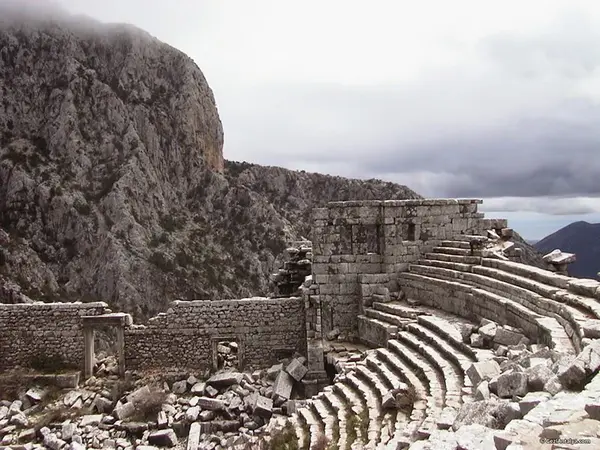
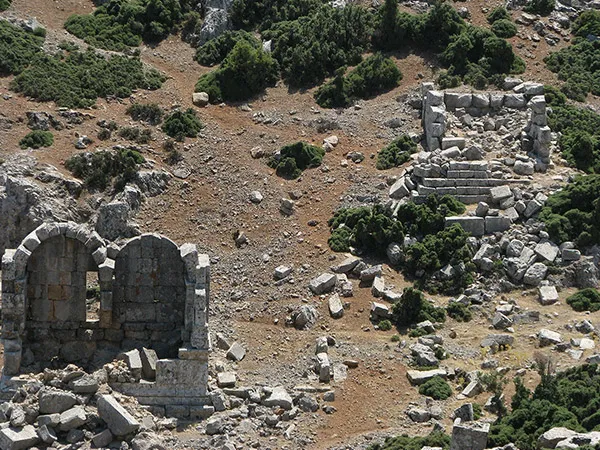
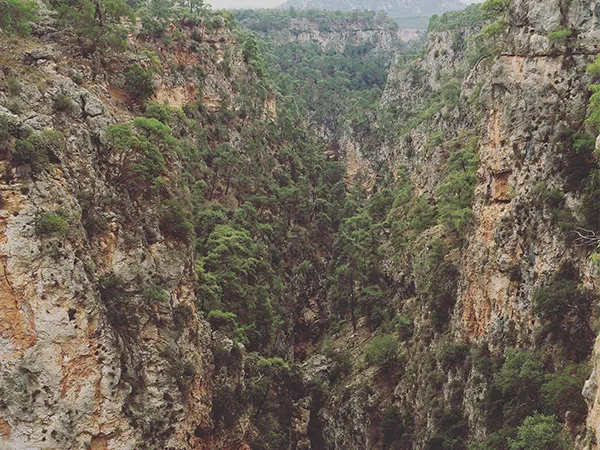
- Combine with: Termessos Ancient City and Güver Canyon lie on the same route and make a natural full-day combination.