
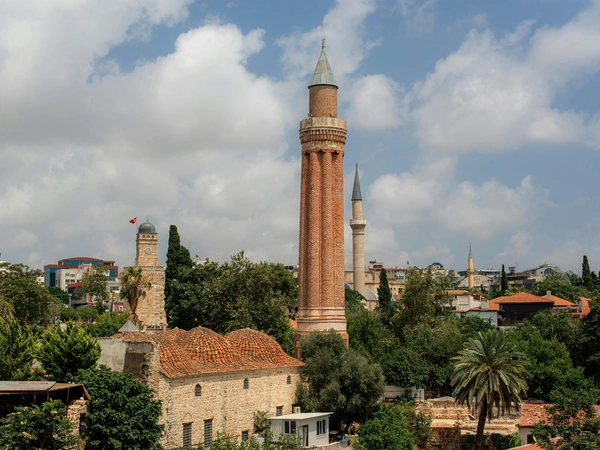
Antalya’s Skyward Signature
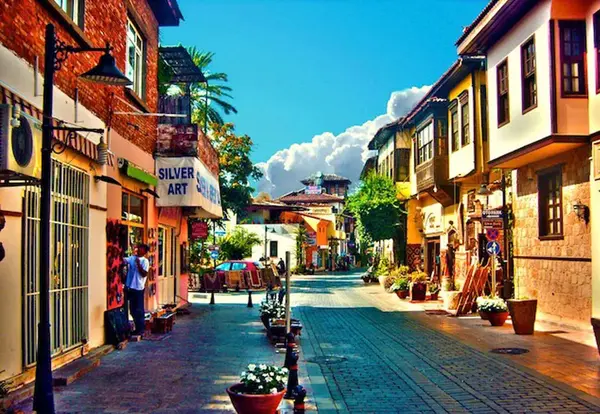
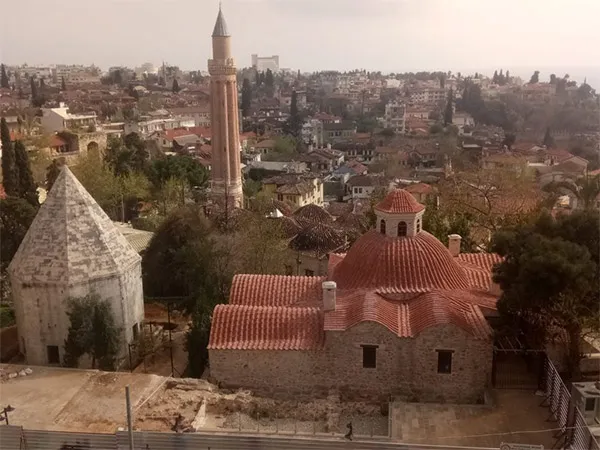
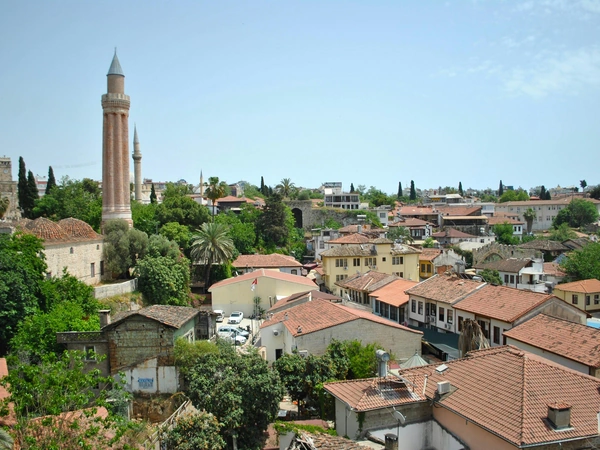
The first silhouette that comes to mind when mentioning Antalya, the Yivli Minare (Fluted Minaret), is not just part of a place of worship but an eight-century-old seal of the city. Rising with elegance at the entrance of Kaleiçi (Old Town), right below Republic Square, this structure is the most exquisite meeting point of Seljuk aesthetics and the Mediterranean. Often referred to as the "Symbol of Antalya," it serves as a landmark visible from almost every part of the city.
Layers of History
The Fluted Minaret was commissioned in 1230 by the Anatolian Seljuk Sultan Alaeddin Keykubat I. Originally designed as a "külliye" (social complex), the minaret was added to a mosque that was converted from a Byzantine church. For centuries, this monumental minaret acted as a welcoming monument for mariners and caravans approaching the city.
The Structure of the Minaret
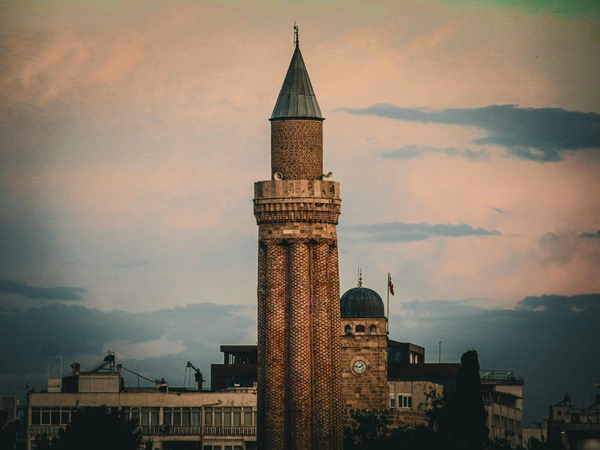
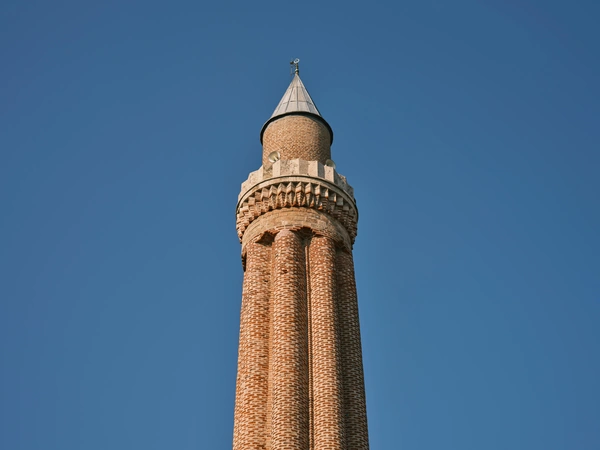
The "flutes" that give the minaret its name come from the eight semi-cylindrical forms on its shaft. Standing approximately 38 meters high, the structure has an octagonal body rising above a square base. It was constructed using bricks and turquoise-glazed tiles. Although much of the tilework has worn away over time, the remaining fragments still sparkle like jewels when hit by the sun.
What’s Inside the Complex?
The Fluted Minaret is more than just a single tower; it is surrounded by a center of faith and culture:
- Yivli Minare Mosque: One of the oldest examples of multi-domed mosques in Anatolia, featuring six distinct domes.
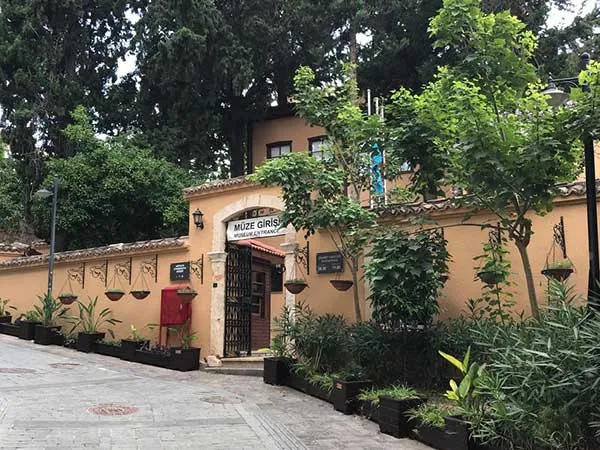
- Mevlevihane (Dervish Lodge): Now serving as a museum, this section was once a center where dervishes received education and performed "Sema" ceremonies.
- Tombs of Zincirkıran and Nigar Hatun: These resting places of noble figures from the Seljuk and Ottoman eras showcase stunning stonework.
Practical Information
- Where: At the entrance of Kaleiçi, south of Republic Square.
- Access: Take the nostalgic tram or Antray to the "Cumhuriyet Meydanı" stop; it’s a 2-minute walk.
- Duration: Approximately 45-60 minutes including the mosque and museum sections.
- Best Time: Just before sunset, when the turquoise tiles and bricks glow in their most vibrant colors.
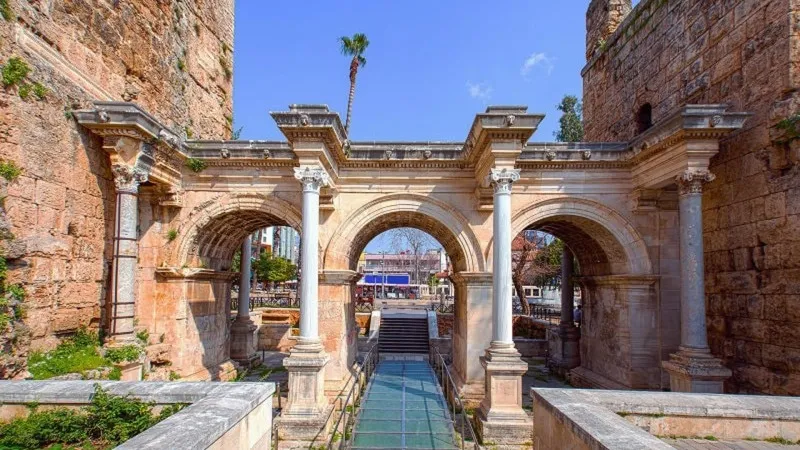
- Combined Suggestion: Start your journey here and head down into the narrow streets of Kaleiçi or towards the Clock Tower and Hadrian’s Gate.