
Where Fresh Water Meets the Sea
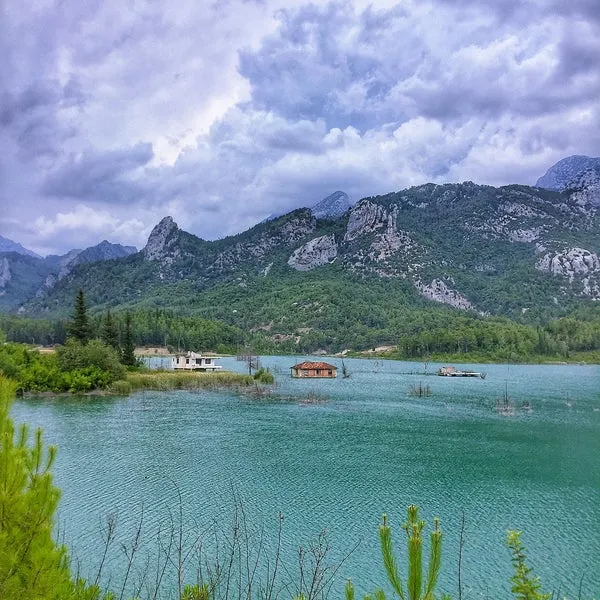
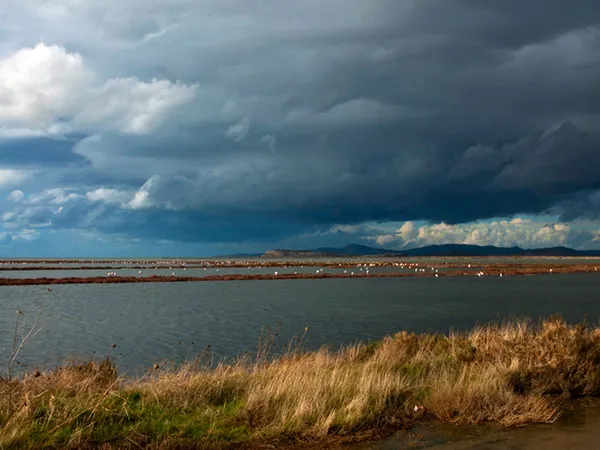
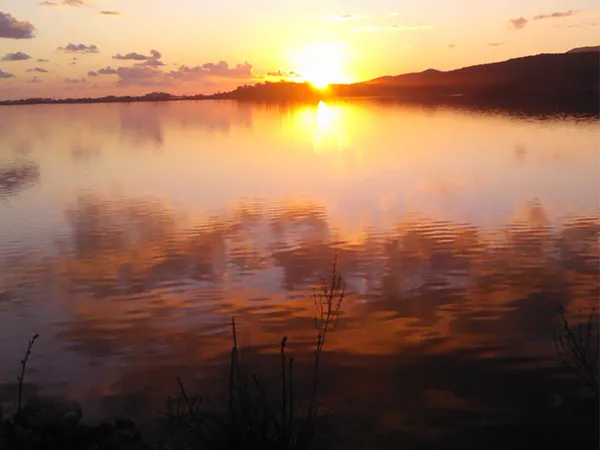
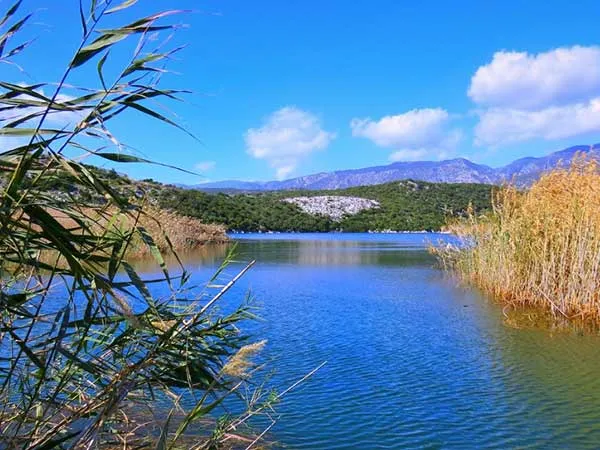
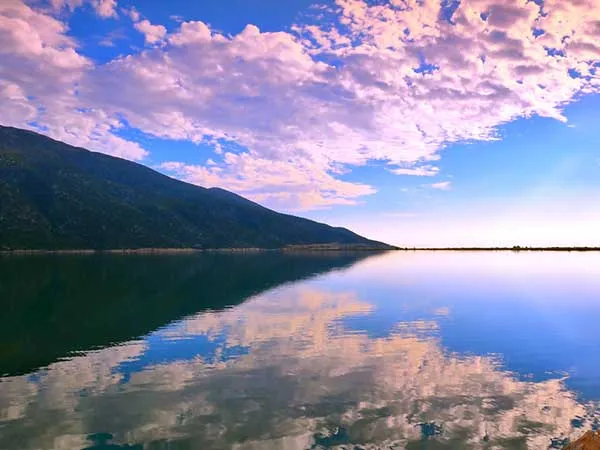
Between Demre and Finike, running alongside the D400 coastal highway, Beymelek Lagoon is one of the few natural lagoons on Turkey's Mediterranean coast. Covering 255 hectares and collecting the surface and groundwater of a 40-square-kilometre catchment area, this coastal ecosystem sits at the meeting point of fresh water and salt water — a boundary that creates an unusually rich biological environment.
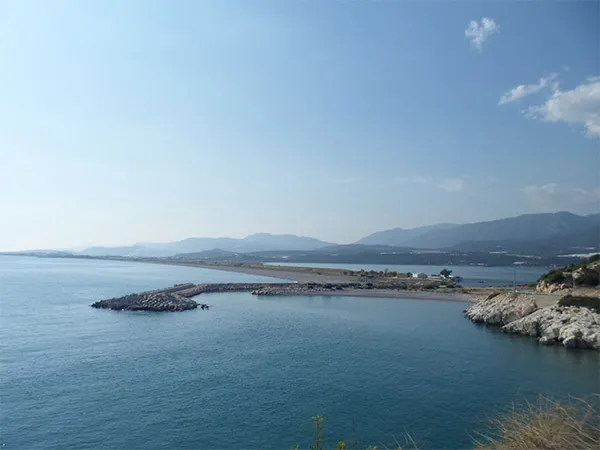
The lagoon formed through a natural geological process: a bay in the subsiding anticlinal section of Gülmez Mountain was gradually sealed from the sea over centuries as alluvial material carried by the Demre River was pushed across its mouth by winds and currents. Today, the lagoon's only connection to the Mediterranean is a narrow channel 230 metres long and 55 metres wide at its eastern end. Strong karst springs feed the lagoon from within, creating a constant outward flow toward the sea. Two small islands sit inside the triangular lagoon — one near the channel mouth, one to the north.
A Research and Production Centre
Beymelek Lagoon is administered by the Mediterranean Fisheries Research Production and Education Institute, part of the Ministry of Agriculture. The lagoon is used for broodstock production and hatchery operations; part of the production is sold to the public, part is released back into the sea. Institute officials note that the lagoon is 4 to 5 times richer in fish biomass than open sea waters of comparable area.
Scientific research has documented 17 fish species in the lagoon, with grey mullet, white sea bream, sargo, gilt-head bream, and sardine among the principal species. Blue crab, shrimp, and 14 bird species are also part of the lagoon's recorded biodiversity. Loggerhead sea turtles are regularly observed in the lagoon and along the adjacent shoreline.
Rod Fishing and the 2018 Ban
The lagoon was opened to recreational rod fishing in a designated area in 2010. However, as illegal poaching increased rapidly in subsequent years and began to damage the lagoon's natural balance, the Mediterranean Fisheries Institute closed it to all rod fishing in 2018. This prohibition remains in force and is taken seriously by the managing authority.
The Visit
Walking, picnicking, and nature photography are all possible along the lagoon shore. Small sandy areas at the channel mouth where the lagoon meets the sea are suitable for swimming. A few fish restaurants along the roadside have tables extending over the water; the clear shallow water below allows visitors to watch fish shoals and occasional turtles directly beneath. Early morning is the best time for birdwatching — the lagoon supports both resident waterbird populations and migratory species passing along the Eastern Mediterranean flyway.
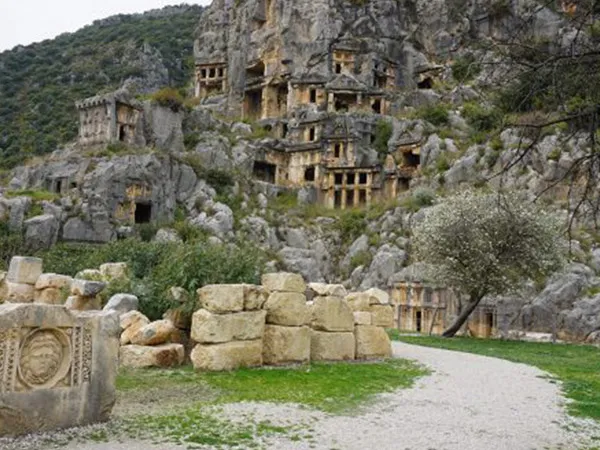
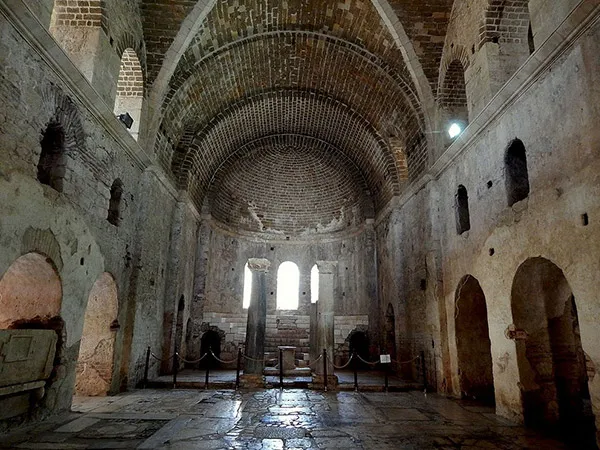
The lagoon lies 8 kilometres from Demre town centre, Saint Nicholas Church, and Myra Ancient City — a natural combination for a single day's visit.
Practical Information
- Location: Beymelek Mahallesi, Demre. 8 km from Demre town centre, 18 km from Finike, 120 km from Antalya city centre.
- Getting there: The D400 coastal road between Demre and Finike runs directly alongside the lagoon. Accessible by minibus from Demre centre with a short walk; most convenient by private car.
- Entrance fee: Free.
- Opening hours: Always accessible.
- Time needed: 1 to 2 hours.
- Important: Rod fishing is prohibited.
- Best time to visit: Accessible year-round. Winter and spring mornings are best for birdwatching.
- Combine with: Demre Bird Paradise, Saint Nicholas Church, Myra Ancient City, and Andriake make a natural full-day combination.