
The Best-Preserved Roman Theatre in the World
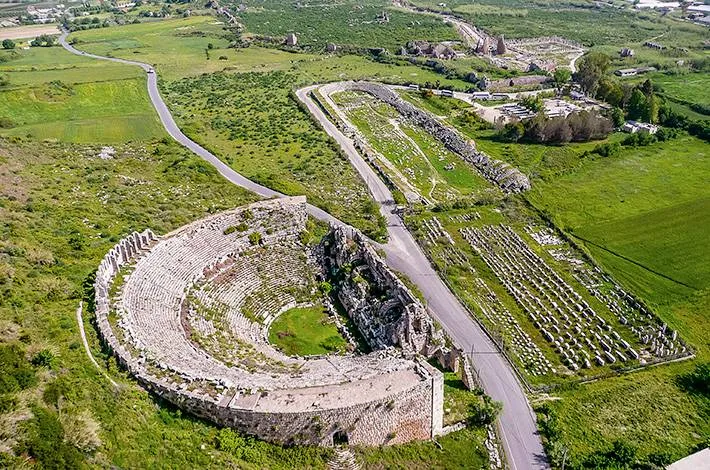
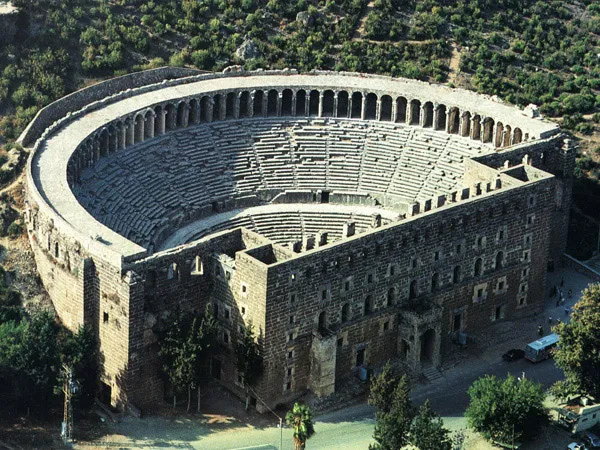
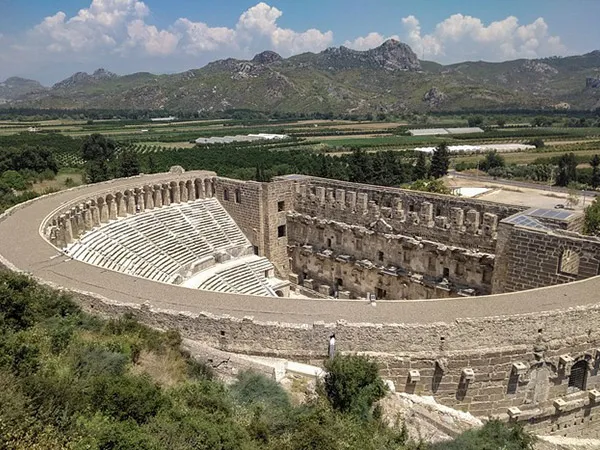
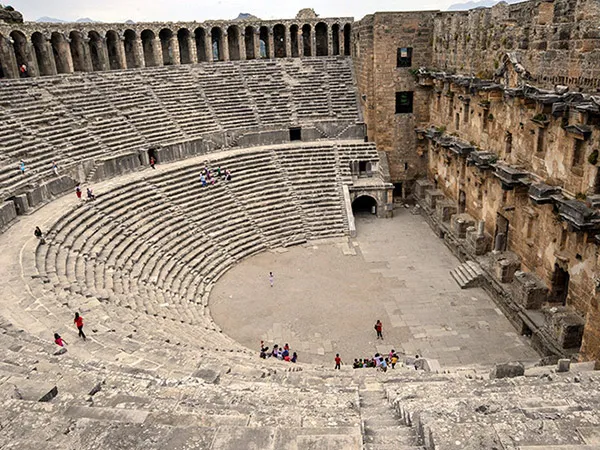
Aspendos is one of those rare ancient sites where the main attraction genuinely earns its superlatives. The theatre here is not merely the best-preserved Roman theatre in Turkey — it is widely considered the best-preserved Roman theatre anywhere in the world. Built nearly two thousand years ago, it still hosts opera and ballet performances today. Drop a coin at the centre of the stage and the sound carries perfectly to the uppermost row. No concert hall architect has yet managed to replicate what was achieved here in the 2nd century AD.
A History of Defiance and Wealth
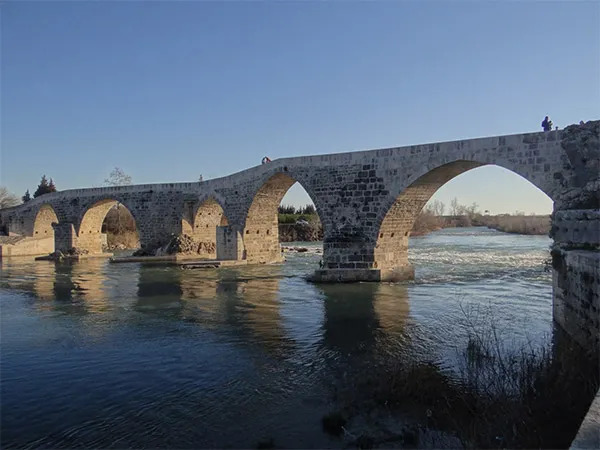
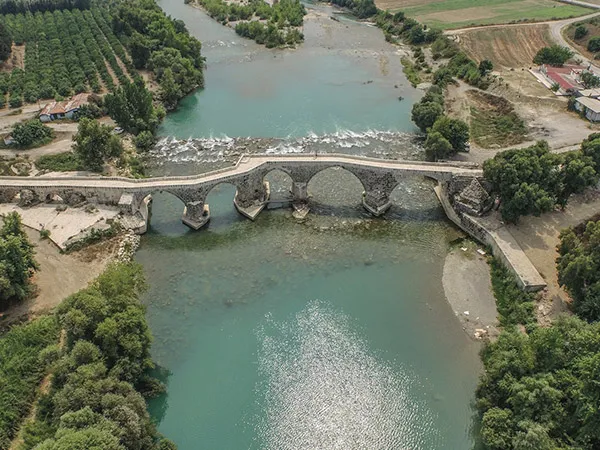
Aspendos was founded around the 10th century BC, traditionally by Achaean settlers after the Trojan War, on a plateau beside the Köprüçay River — the ancient Eurymedon — which gave the city access to the Mediterranean and made it one of the most prosperous trading hubs in Pamphylia.
In 468 BC, the river's mouth became the site of a decisive naval engagement. The Athenian commander Cimon defeated a far larger Persian fleet at the Battle of the Eurymedon, effectively ending Persian supremacy in the Aegean. Aspendos watched that battle from its riverbanks.
When Alexander the Great arrived in 333 BC, the city initially agreed to surrender peacefully — then broke its word. Alexander returned, imposed much harsher terms: 100 gold talents in annual tribute, 4,000 horses, and a Macedonian garrison stationed permanently within the city walls. The Aspendians this time complied.
Under Roman rule, particularly in the 2nd and 3rd centuries AD, Aspendos reached the height of its wealth and influence. It minted its own coins — among the most widely circulated currency in the ancient Mediterranean — and filled its acropolis with monuments that still impress visitors today.
In the 12th century, Seljuk rulers converted part of the theatre into a palace. This ongoing use, paradoxically, is one reason the structure has survived so well: inhabited buildings tend to be maintained.
The Theatre — and the Legend Behind It
The Aspendos Theatre was built between 138 and 164 AD during the reign of Emperor Marcus Aurelius, designed by the architect Zenon, son of Theodorus of Aspendos. The inscription at the entrance of the stage building records that it was dedicated to the gods and the emperor by two brothers, Curtius Crispinus and Curtius Auspicatus.
There is also a legend attached to its construction: the king of Aspendos announced that whoever built the most useful structure for the city would win his daughter's hand. Two competing architects — some say brothers — built a theatre and an aqueduct respectively. The king, unable to decide, is said to have cut his daughter in two and given half to each. The legend is grim, but the theatre and the aqueduct both still stand.
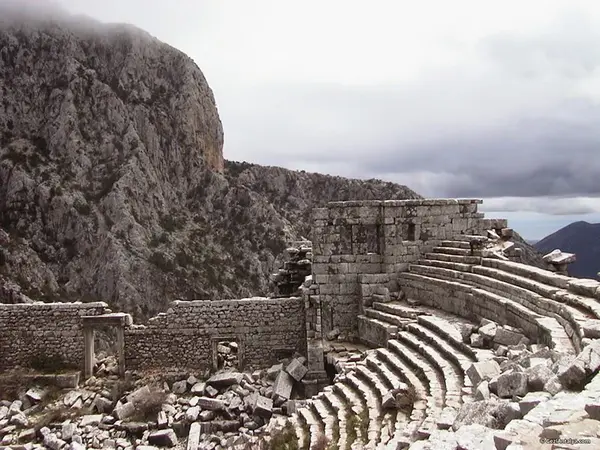
With a capacity of 15,000 spectators, the stage building rises across two storeys — Ionic columns on the lower level, Corinthian on the upper. Three floors of the stage building survive intact. Every summer, the International Aspendos Opera and Ballet Festival brings world-class performers to this stage, making it one of the most extraordinary concert venues on earth.
Beyond the Theatre
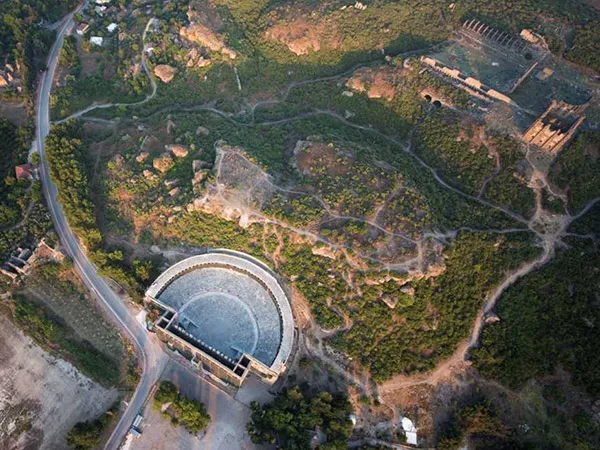
Aspendos is divided into a Lower City and an Upper City. The theatre and stadium occupy the lower level; the monumental civic buildings are concentrated on the acropolis above.
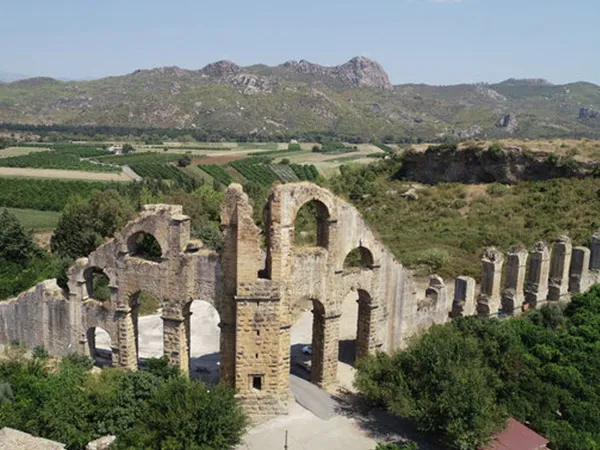
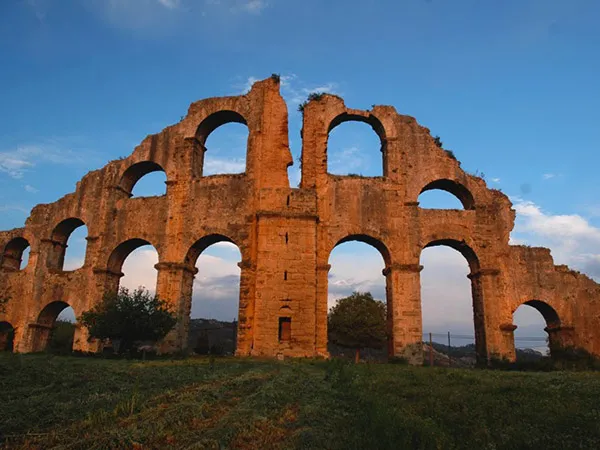
The aqueduct system is an engineering achievement that deserves equal attention. Stretching approximately one kilometre, it used a pressurised siphon to carry water from mountains 25 kilometres away — one of the finest surviving examples of ancient hydraulic engineering anywhere in the world.
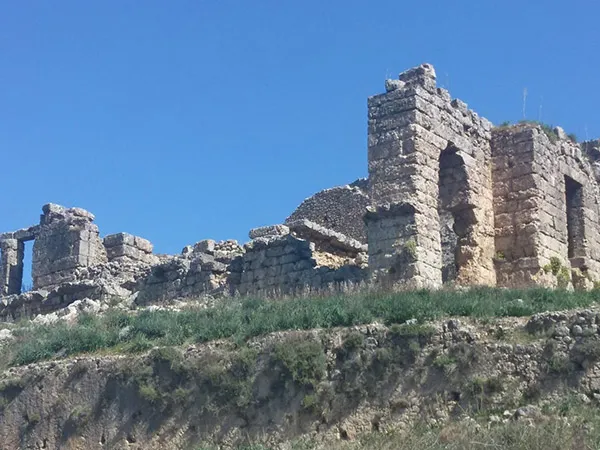
On the upper acropolis, the 100-metre-long Basilica, the Agora, a Monumental Fountain measuring 35 metres long and 15 metres high, the Odeon, and a Hellenistic Temple are all worth the climb.
Practical Information
- Location: Near Belkıs Village, Serik district. 47 km from Antalya city centre, 18 km from Belek, 36 km from Side.
- Getting there: Bus from Antalya to Serik, then minibus to Aspendos. By car, turn north at the 44th km of the Antalya–Alanya highway and continue 2 km.
- Entrance fee: Paid entry; MüzeKart accepted.
- Opening hours: April–October 08:00–19:00, November–March 08:00–17:00.
- Time needed: Allow at least 2 hours for the theatre and aqueducts; 3 hours if you want to explore the upper city.
- Best time to visit: Early morning for cooler temperatures and better light. Avoid midday in summer.
- Combine with: Side Ancient City and Manavgat Waterfall make a natural full-day circuit from the same area.