
The Submerged Necropolis of Lycia
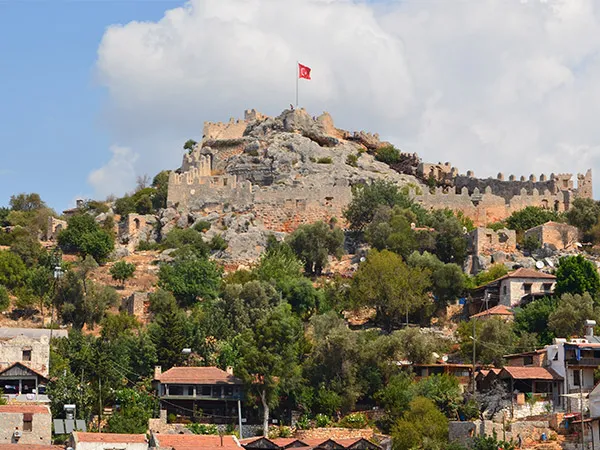
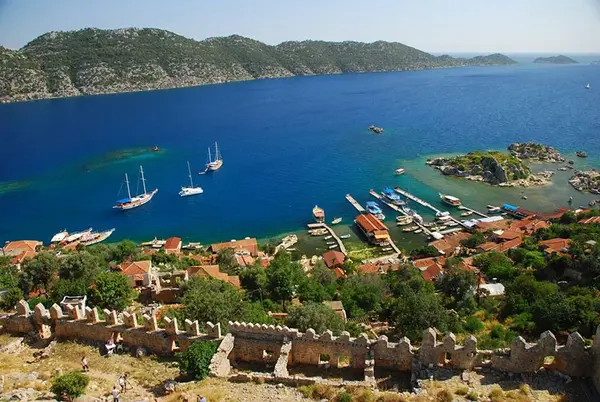
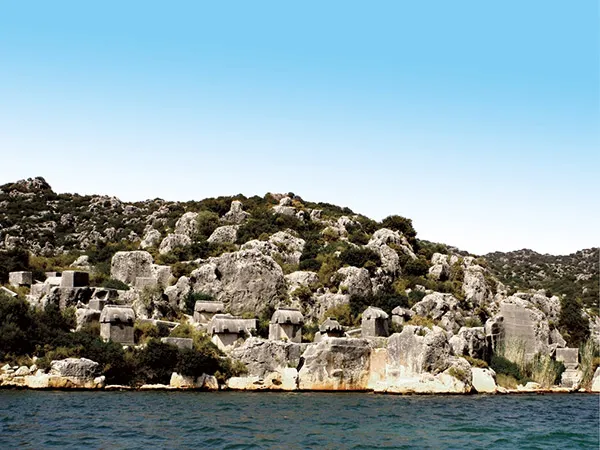
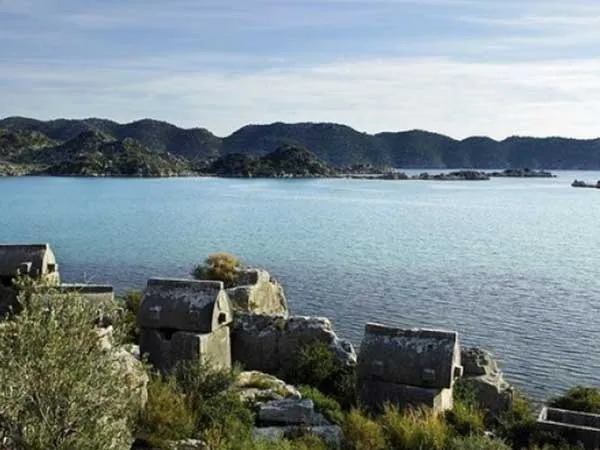
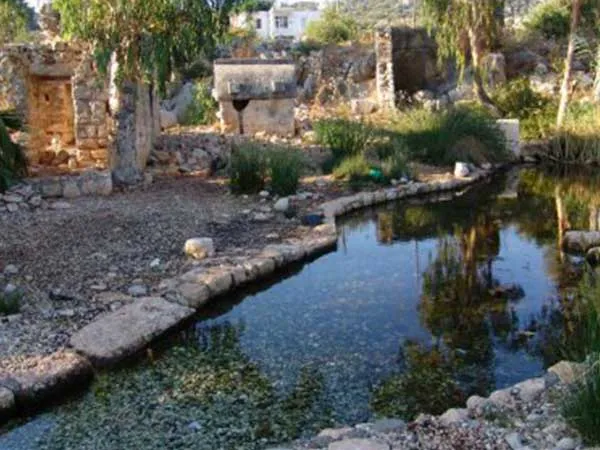
Theimiussa, known today as Üçağız, is more than just an ancient settlement; it is like Lycia’s "cemetery embracing the sea." In this city built upon the calm waters of Kekova, the sarcophagi rising right next to the piers where boats anchor are the most aesthetic evidence of the city's unchanging seafaring identity for millennia. Here, history breathes not behind museum walls, but directly within the sea.
Turning Points of History
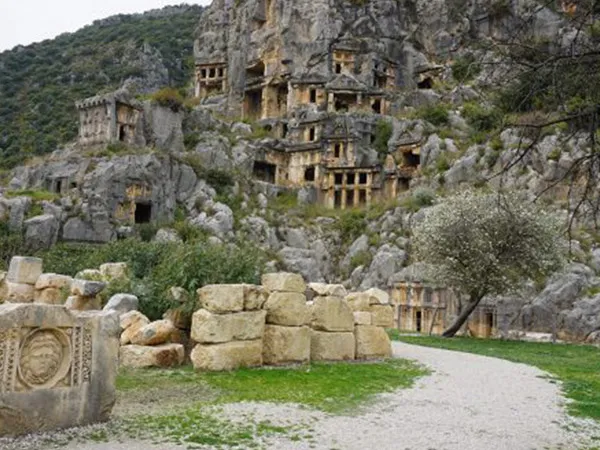
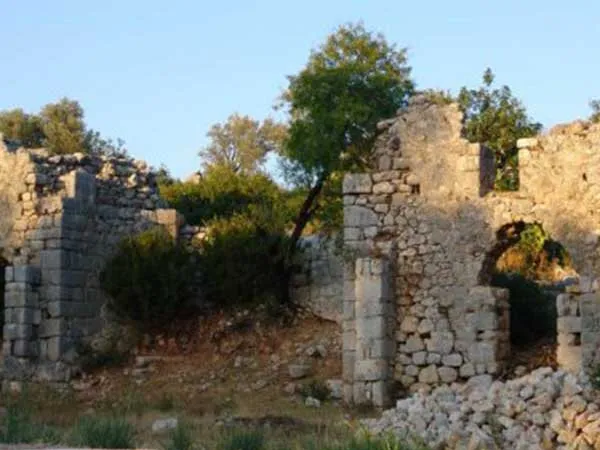
The history of Theimiussa dates back to the 4th century BC according to epigraphic findings. In antiquity, the city served as the main port (Tristomon) for larger nearby settlements like Simena and Tyberissos. During the Roman period, it transformed into a prestigious necropolis area chosen as the eternal resting place especially by the citizens of Kyaneai and Myra.
Guardians of the Harbor: Sarcophagi and the Pier
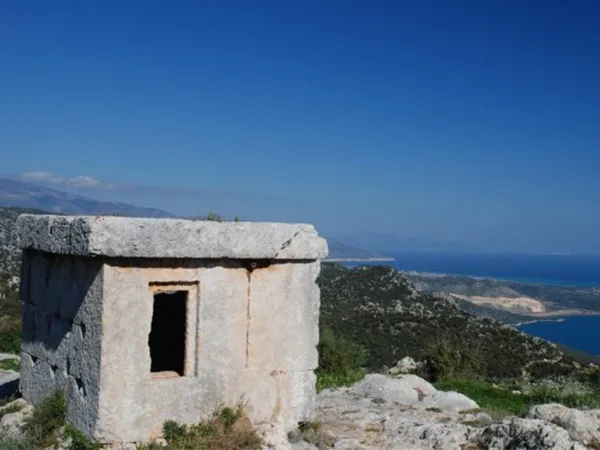
The 28-meter-long ancient quay at the eastern end of the city, carved out of the bedrock, showcases Roman engineering's mastery in maritime affairs. In the necropolis area, the house-type rock tomb belonging to the city's most famous inhabitant, "Kluwanimi," stands out with its relief of a young male. The sarcophagi partially submerged in the sea with the tides offer visitors the key to the gateway leading to Lycia's "Land of the Dead."
Practical Information
- Location: Üçağız Village, Demre district. 35 km from Kaş, 20 km from Demre.
- Transportation: Accessible by following the Üçağız sign on the Kaş-Finike road or by boat tours departing from Kaş/Demre.
- Entrance Fee: Free (Open site).
- Visiting Hours: Open 24/7.
- Best Time: Sunset hours offer a unique view with the shadows of the sarcophagi falling on the sea.
- Combined Suggestion: Must be combined with Simena (Kaleköy) and Kekova Sunken City by renting a boat.