
A Hidden Lycian Tale in the Heart of the Taurus
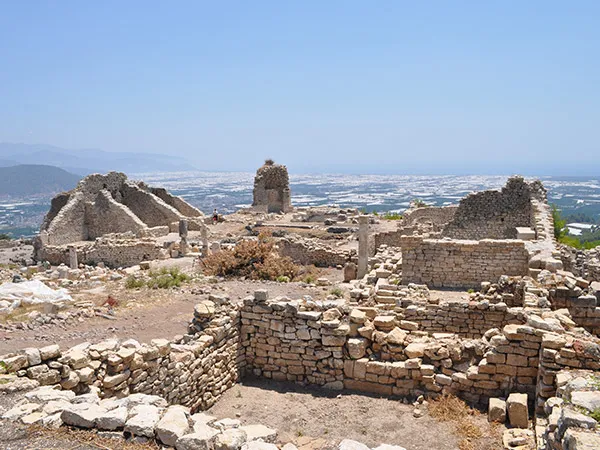
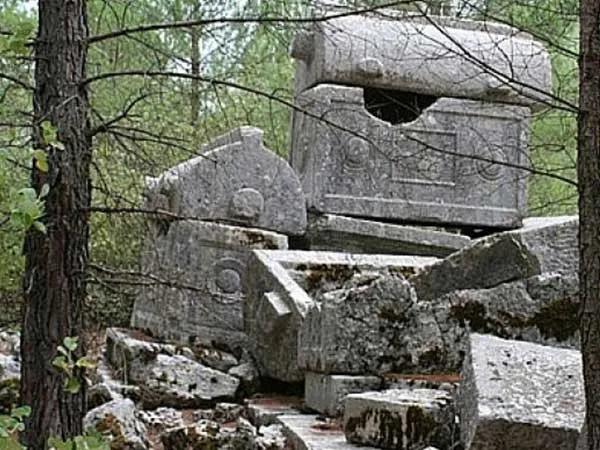
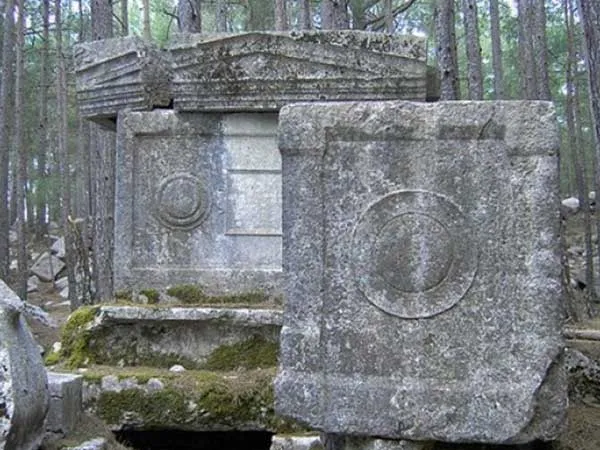
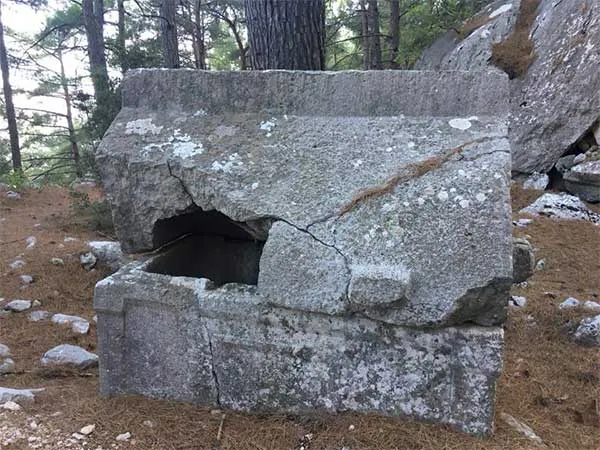
Hidden among the pine and cedar forests above the Alakır Valley, Idebessos is one of the most mystical cities of Lycia. Far from the crowds, where nature slowly reclaims the ancient ruins, this city opens the doors to an undiscovered world. The massive sarcophagi lined up along the dry stream bed are like monuments waiting to break a vow of silence that has lasted for centuries.
Turning Points of History
Idebessos is a strategic mountain city that saw continuous settlement from the classical Lycian period to the Byzantine era. It became an important center of power in the region through the political union (sympolity) it established with the cities of Akalissus and Korma. The "Horseman God" (Men/Kakasbos) figurines found in the city, which flourished during the Roman period, prove that it was not only a commercial hub but also a significant religious cult center.
The Dance of Nature and Architecture: Theater and Necropolis
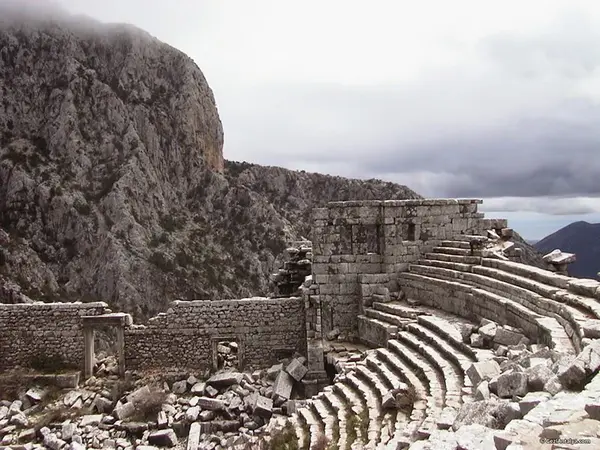
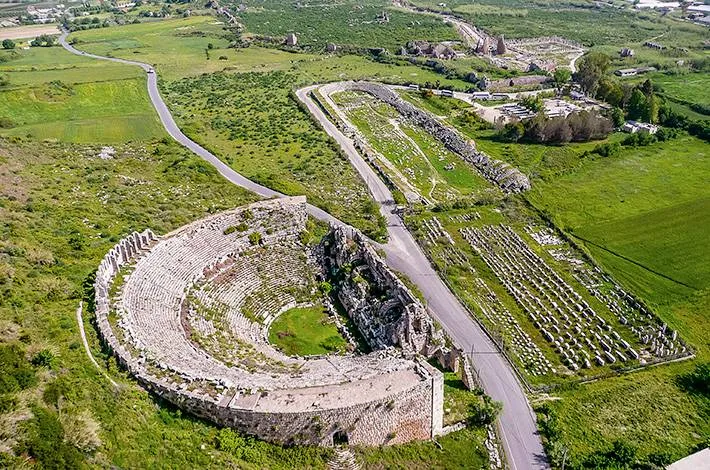
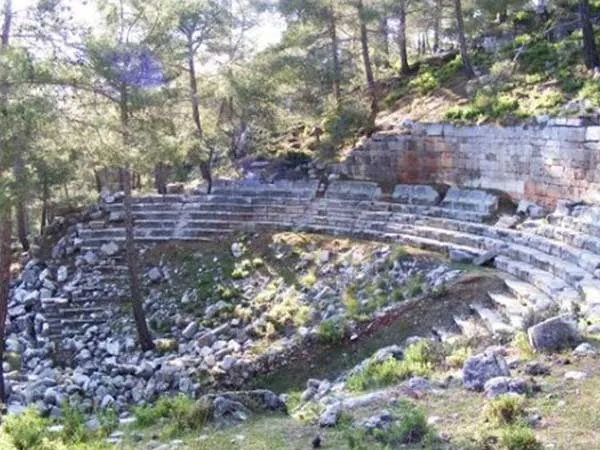
The heart of the city is the magnificent necropolis area arranged along the banks of a dry stream. The "Exedra" type tombs found here are among the most unique examples of Lycian funerary architecture. The small but impressive theater on the west side of the city, with a capacity of about 500 people, is like a balcony overlooking nature. Additionally, the remains of the triconch (three-leaf clover) planned church from the Byzantine period emphasize the city's religious importance in Late Antiquity.
Practical Information
- Location: Near Karacaören Village, Kumluca district.
- Transportation: Turn into the Karacaören junction from the Kumluca-Antalya road and continue through stabilized forest roads. An off-road vehicle is recommended.
- Entrance Fee: Free.
- Visiting Hours: Daylight hours are recommended (no lighting).
- Duration: At least 1.5 hours for exploration.
- Best Time: Spring months, when the ruins integrate perfectly with the awakening nature.
- Note: Be prepared as transportation is difficult; there are no facilities nearby.